


Control crane flies (leatherjackets) with nematodes
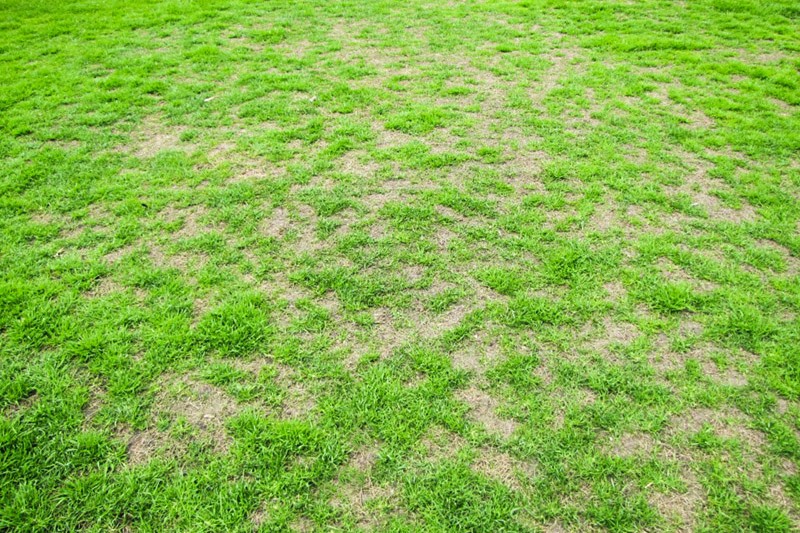
Crane flies can cause considerable damage, especially to lawns. The culprits are not the adult crane flies but their larvae in the soil, known as leatherjackets. They feed on the roots and can cause yellow or brown patches and bare areas in the lawn.


Recognising crane flies in the lawn
With their long legs, adult crane flies look like particularly large mosquitoes. However, they are largely harmless to people and plants. The actual lawn damage is caused by their larvae, which develop in the soil.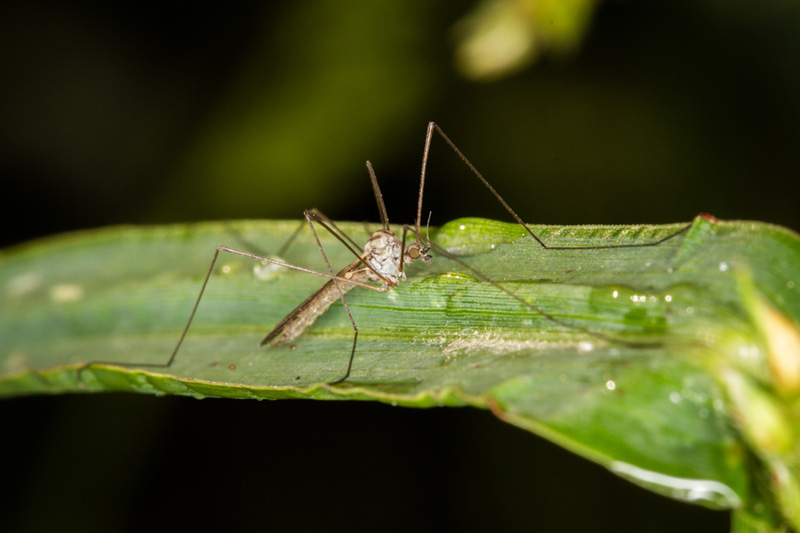

What damage do leatherjackets cause?
- Yellow or brown patches in the lawn
- Bare areas and dying grass
- Damaged or eaten lawn roots
- Loose turf and additional damage from birds searching the lawn for the larvae
What do I need to bear in mind when using nematodes?
Timing determines the success of the treatment.
Crane flies should be controlled with nematodes in autumn, even if there is often no clear lawn damage visible at that time. The recommended application period for nemastar® against leatherjackets is between September and mid-October. During this phase the young larvae are at a development stage in which they can be controlled particularly well with nematodes.
If you only react to bare or brown patches in the lawn in spring, it is often too late for an effective nematode treatment against the by then larger leatherjackets.
Remember: spot crane fly damage in spring – take action against the next generation in autumn.
How do nematodes work against leatherjackets?
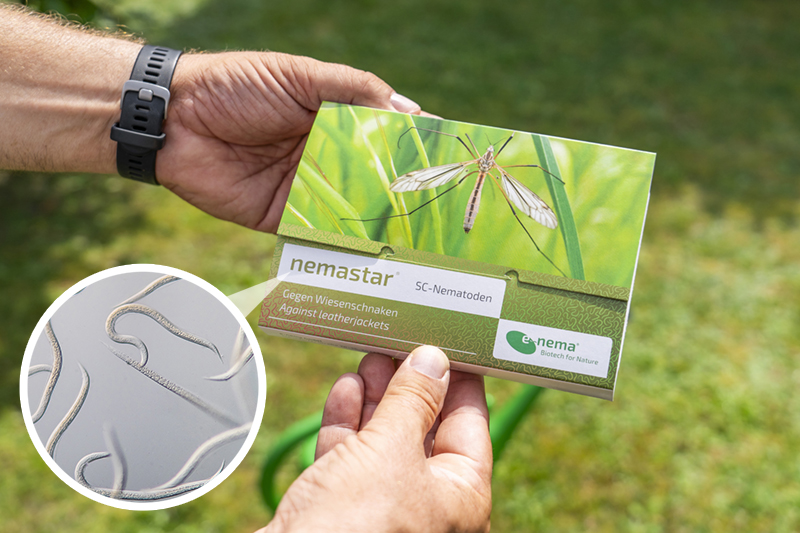
nemastar® contains beneficial nematodes of the species Steinernema carpocapsae. These microscopic roundworms move through the moist soil and actively search for suitable host larvae.
Safe and effective
Nematodes are the natural solution against fungus gnats. The tiny roundworms control the larvae completely biologically and effectively. No chemicals, no side effects.

Service and advice
We have been producing and selling nematodes for biological plant protection for more than 25 years. Do you have questions? We have the answers!

Controlled quality
Every production batch is carefully checked and tested for quality. We only sell what really works.